Illegal Dumping Fines in Merton: What Londoners Should Know
If you live, work, or manage property in south-west London, the topic of illegal dumping fines in Merton can feel annoyingly simple at first and then suddenly quite messy. One minute it's a sofa left beside a communal bin; the next, it's a warning letter, a penalty, or a conversation nobody wants with the council. Illegal dumping fines in Merton: what Londoners should know is not just about punishment. It's about understanding how fly-tipping happens, why enforcement matters, and how to avoid expensive mistakes before they start. And yes, the rules can feel a bit dry. But the consequences are very real.
In this guide, you'll get a clear, practical explanation of how illegal dumping is treated in Merton, what usually triggers fines, how responsibility is worked out, and what sensible next steps look like if waste needs removing properly. We'll also cover common misunderstandings, compliance basics, and a few realistic situations Londoners run into all the time. Let's face it: rubbish has a way of creating more drama than it should.
For a broader look at services and responsible disposal options, you may also find the site's rubbish removal and waste disposal pages useful while you compare your options.
One important note before we begin: this article is practical guidance, not legal advice. Fines and enforcement can vary depending on circumstances, evidence, and the authority involved. If a case is active, details matter.
Table of Contents
- Why this matters in Merton
- How illegal dumping fines usually work
- Key benefits of staying compliant
- Who needs this information
- Step-by-step guidance
- Expert tips for avoiding problems
- Common mistakes to avoid
- Tools, resources and recommendations
- Law, compliance and best practice
- Options and comparison
- Real-world example
- Practical checklist
- Conclusion
- Frequently asked questions
Why Illegal Dumping Fines in Merton: What Londoners Should Know Matters
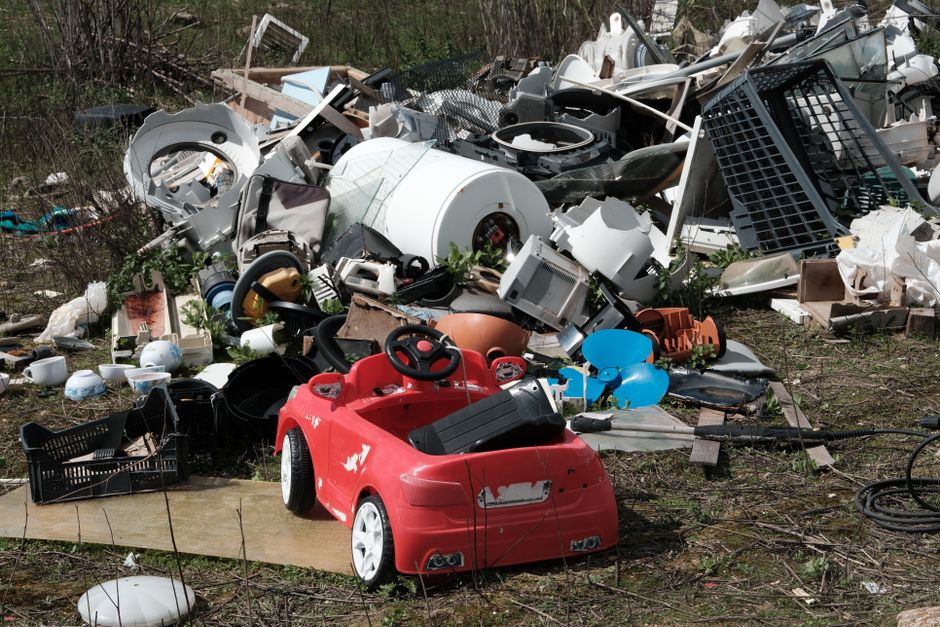
Illegal dumping, often called fly-tipping, affects more than the street corner where the rubbish ends up. It can block pavements, attract pests, create fire risks, and make estates feel neglected. In Merton, as in the rest of London, enforcement exists for a reason: waste left in the wrong place can become a public nuisance very quickly. A bag of builder's rubble behind a terrace, for example, may seem minor on day one. By day three, it can be a neighbour dispute, a bad smell, and a ticket waiting to happen.
What many Londoners miss is that enforcement is not only aimed at the person who physically dumps the waste. In some situations, the person who arranged the removal, handed over the waste to the wrong carrier, or failed to check the destination can also get caught up in the mess. That is why understanding the process matters. Once a fine lands, "I didn't know" is rarely a satisfying answer.
There is also a wider practical reason. Responsible disposal protects your property reputation, your tenant relationships, and your wallet. A homeowner clearing a garage, a landlord managing a flat, or a small business replacing furniture all need a clear line between legitimate waste removal and avoidable enforcement trouble. If you're dealing with larger items, services like large item collection or bulky waste collection can be a straightforward alternative to leaving items out and hoping for the best.
Key takeaway: illegal dumping fines are not just about a single offence. They are part of a wider system that pushes residents and businesses to prove they handled waste responsibly. That sounds stern, but honestly, it helps keep Merton cleaner and saves people from avoidable costs.
How Illegal Dumping Fines in Merton: What Londoners Should Know Works
At a plain-English level, the process usually starts when waste is found in a place it should not be. That might be a public street, a lay-by, beside a communal bin, on private land, or dumped near a driveway after an unlicensed collection. Officers or authorised teams may investigate by looking for clues in the waste, CCTV, witness accounts, vehicle details, or paperwork. Sometimes it's obvious. A pile of renovation waste with a delivery label on top is not exactly subtle.
If responsibility can be linked to a person or business, enforcement may follow. Depending on the circumstances, that can mean a fixed penalty, a formal notice, further investigation, or prosecution in more serious cases. The exact route is not something to guess at, because different facts lead to different outcomes. A single bin bag left next to overflowing bins is not the same as repeated dumping of construction rubble, mattresses, or commercial waste.
The most important thing Londoners should understand is that waste duty of care matters. If you pay someone to remove waste and they dump it illegally, you may still need to show you took reasonable steps to use a legitimate collector. That means checking who is taking your waste, what they are taking, and where it is going. It is a bit like handing over house keys: you want to know exactly who is getting them, and why.
In everyday terms, here's how it often unfolds:
- Waste is found dumped or left in an unauthorised place.
- The council or enforcement team investigates the source.
- Evidence is reviewed, including labels, receipts, photographs, or witness information.
- Action is taken if a responsible person or business can be identified.
- The person involved may need to pay a fine, respond to a notice, or explain their actions.
For households, the risk is often tied to bins overflowing, putting out furniture too early, or using an unknown collector from a flyer or doorstep pitch. For businesses, the stakes are even higher because commercial waste has to be handled with proper care, and the paper trail matters. The site's commercial waste collection and business waste removal pages are relevant if your situation involves a shop, office, or rented unit.
Key Benefits and Practical Advantages
It may sound odd to talk about benefits when the subject is fines, but staying on the right side of disposal rules brings some genuinely practical advantages. First, you reduce the chance of an expensive enforcement notice landing on your doormat. That alone is reason enough for most people. Second, you avoid the hidden costs that come from a rushed or informal waste clear-out: repeat trips, neighbour complaints, missed collections, and the sort of stress that lingers for days.
There is also a time-saving benefit. A proper collection service or council-approved option usually gives you a cleaner process than trying to solve it by leaving things outside and hoping somebody else sorts it out. In our experience, that "someone will deal with it" approach is where many headaches begin. The pile stays. The complaint grows. Then the tone becomes less friendly.
Other advantages include:
- clearer accountability for household, landlord, and business waste
- lower risk of pest issues and visual mess around shared spaces
- better protection for shared entrances, pavements, and communal bins
- a more reliable way to dispose of bulky or awkward items
- less chance of damaging your reputation with neighbours or tenants
There's a quieter benefit too: peace of mind. You know where things went. You know who handled them. You know you did the sensible thing. That matters, especially if you live in a block, manage a rental, or run a business where one badly handled waste issue can turn into a repeated annoyance.
If you are comparing disposal routes, the site's waste collection and recycling and rubbish related information can help you think through the more responsible route before items leave your property.
Who This Is For and When It Makes Sense
This topic is not just for people who have already been fined. It is useful for anyone in Merton who regularly deals with waste decisions, which is more people than you might think. Homeowners clearing lofts, tenants moving out, landlords dealing with end-of-tenancy rubbish, office managers replacing furniture, and tradespeople working on small refurbishments all face the same underlying issue: how to remove waste without drifting into risky territory.
It also makes sense if you've ever stood beside a black bag and thought, "Can I just put this here for later?" That moment matters. Small choices are where waste problems start. A mattress left beside a shared bin because the lift was busy. A builder's sack left in a communal alley because the van was full. A fridge abandoned after a rushed move. None of that feels dramatic in the moment, but enforcement is often built around exactly those everyday lapses.
Here are the people who should pay close attention:
- Residents who are disposing of bulky household items or clearing out rooms
- Landlords and letting agents managing tenants' leftover waste
- Businesses with recurring commercial waste obligations
- Trades and contractors handling renovation or builders' waste
- Property managers dealing with communal bin spaces and estate clearances
If you are moving out of a flat in or around Wimbledon, Morden, or Colliers Wood, a planned clearance is usually far better than a last-minute scramble. Services like flat clearance, house clearance, and property clearance can be more practical than trying to spread everything out over several days and hoping no one complains.
Step-by-Step Guidance
If you want to avoid fines and handle waste properly in Merton, the best approach is simple, but not always quick. A few measured steps save a lot of trouble later. Here's a practical way to do it.
- Identify the waste type. Household rubbish, green waste, furniture, fridges, mattresses, and construction debris all need different handling. A sofa is not the same as a bag of mixed waste.
- Decide whether it can be reused or recycled. Some items may be suitable for donation, refurbishment, or recycling. This is especially useful with furniture and white goods.
- Check the collection route. If you're using a council option, a private collector, or a specialist clearance service, make sure the route is legitimate and appropriate for the item.
- Confirm the collection details. Get clarity on what will be taken, when, and from where. If someone is vague, that is a warning sign.
- Keep a record. Receipt, messages, quote, collection confirmation, or even a photo can help prove you handled things responsibly.
- Do not leave items in common areas. Shared corridors, entrances, and bin stores are common trouble spots. One person's "temporary" leave-behind becomes everyone's problem.
- Follow up if waste is left behind. If a collector doesn't remove everything agreed, chase it quickly instead of assuming it will sort itself out. Usually it won't.
For large domestic items, the site's furniture removal and collection, mattress removal and collection, and white goods recycle pages are useful starting points when you're comparing options.
A small practical habit helps a lot: before collection day, take two photos - one of the item and one of the pickup point. It is a simple thing, but in a dispute it can save time and hassle. Nothing fancy. Just useful.
Expert Tips for Better Results
The people who avoid waste fines most reliably tend to do a few unglamorous things well. They plan earlier, ask better questions, and keep proof. Not thrilling, perhaps, but effective.
Tip 1: treat unknown collectors with caution. If someone turns up offering a cheap take-away for waste and won't explain where it goes, pause. A very low price can be a false bargain if the waste is later dumped illegally and linked back to you.
Tip 2: separate bulky items from mixed waste. A cleaner load is easier to manage and less likely to be mishandled. It also helps with recycling and can reduce the chance of contamination.
Tip 3: choose the right service for the item. A single sofa, an office clear-out, and a builders' rubble load need different handling. That sounds obvious, but in real life people mix them up all the time.
Tip 4: don't rely on verbal promises alone. If a collector says, "No worries, mate, we'll take care of it," ask for something in writing. Text message, email, invoice, even a simple confirmation. Anything is better than nothing.
Tip 5: be extra careful with commercial waste. Businesses are often expected to show more robust control because waste is generated regularly. Keep records, train staff, and use proper collection routes.
Tip 6: think about neighbours. In a block or shared house, one badly timed waste drop-off can look like fly-tipping even if that wasn't the intention. A corridor can go from tidy to messy in minutes, and somebody will usually notice.
One mildly annoying truth: the best waste outcomes are usually boring. Nothing dramatic happens. The item leaves, the receipt is filed, and everybody gets on with their day. Honestly, boring is a good sign here.
Common Mistakes to Avoid
A lot of waste fines come from ordinary mistakes rather than malicious behaviour. That is both frustrating and avoidable. If you know the usual traps, you can steer clear of them.
- Leaving items beside bins. "Next to" is still not an official collection point.
- Assuming someone else will move it. Especially on shared estates, this is how piles become permanent.
- Using unlicensed or unknown collectors. Cheap upfront, expensive later. Sometimes very expensive.
- Mixing waste types together. Building rubble, electrical items, and household rubbish do not all belong in one mystery heap.
- Skipping the paperwork. If there is no receipt, no message, and no trail, you have less protection.
- Ignoring leftover waste after a move. End-of-tenancy clearances are a common source of complaints.
- Thinking "it was only one item." A single mattress or fridge can still trigger enforcement if it is abandoned in the wrong place.
The most common pattern we see is speed. People are in a rush, the van is full, the lift is busy, the skip is delayed, or the deadline is tight. Then a shortcut is taken. To be fair, everyone gets caught off guard sometimes. But waste law does not really care about convenience.
Tools, Resources and Recommendations
You do not need fancy systems to manage waste properly, but a few practical tools make life easier. Think of them as your basic safety net.
| Tool or resource | What it helps with | Best for |
|---|---|---|
| Photo records | Proof of item condition and collection point | Households, landlords, small businesses |
| Written confirmation | Shows who agreed to remove the waste | Any collection arrangement |
| Item inventory | Lists what is being removed | Clearances and move-outs |
| Separate sorting bags or boxes | Keeps recyclables and rubbish organised | Domestic and office clear-outs |
| Scheduled collection plan | Prevents last-minute dumping risks | Landlords, businesses, busy households |
For larger or mixed loads, look at whether a specialist service is better than trying to handle everything yourself. The site's bulk waste collection and waste clearance options may be more suitable if you are dealing with a bigger pile than a regular bin run can handle.
If you are dealing with a room-by-room clear-out, garage clearance, loft clearance, and office clearance may also fit the job better than a one-size-fits-all approach. This is especially true where access is tight, or the waste includes awkward pieces that are difficult to move in one go.
One more recommendation: if a collector, contractor, or neighbour is offering a "quick disposal" service, ask where the waste will end up and what evidence they can provide. A professional answer usually comes with a professional trail. If the answer is waffle, that tells you plenty.
Law, Compliance, Standards, or Best Practice
When people talk about illegal dumping, they usually mean waste left or disposed of without proper permission, in the wrong place, or through an unsuitable channel. In practice, compliance comes down to doing two things well: using lawful disposal routes and taking reasonable steps to ensure the waste goes where it should. That sounds straightforward, but the details matter.
For households, best practice usually means using recognised local collection options, keeping items within the allowed rules for any pickup, and not placing rubbish in communal or public areas early. For businesses, the bar is higher. Records, invoices, and responsible contractor checks are part of normal good practice. If you generate waste as part of trade, you should be much more careful than a one-off household clear-out.
There are also practical standards that help keep everyone safer: separating hazardous or special items, protecting staff from lifting injuries, and ensuring waste is stored securely before collection. The site's insurance and safety and health and safety policy pages may be helpful if you want to understand the broader approach to safe handling.
Best practice in plain English:
- use traceable, legitimate waste collectors
- keep written records where possible
- store waste securely until collection
- do not leave waste in shared or public spaces
- match the disposal method to the item type
- separate recyclable and non-recyclable material where practical
If you are dealing with recurrent waste from a business or property portfolio, it may also help to review recycling and sustainability practices so that compliance and environmental responsibility work together, rather than pulling in opposite directions.
Options, Methods, or Comparison Table
People in Merton usually have three broad routes when they need items removed: council collection, private collection, or leaving items out and hoping they disappear. Only two of those are sensible. The last one is how avoidable fines happen.
| Option | Pros | Cons | Best use case |
|---|---|---|---|
| Council collection | Often familiar and structured | May have rules, limits, or waiting times | Routine household waste, eligible large items |
| Private waste collection | Flexible, often faster, can handle bulky loads | Quality varies, so checking matters | Urgent clear-outs, mixed items, access issues |
| Leaving waste outside | Feels easy in the moment | High risk of complaint, enforcement, and mess | Not recommended |
For many Londoners, the sensible choice depends on time, item type, access, and how much proof they want to keep. A council route can suit straightforward needs. A private clearance may be better for a larger, tighter, or more urgent job. But whichever route you choose, the crucial thing is that it is lawful and traceable.
If the job involves a one-off larger item, consider the site's council large item collection alongside private options like large item collection. Comparing the two can help you avoid accidental non-compliance, especially if you are balancing cost against convenience.
Case Study or Real-World Example
Here's a realistic example. A landlord in Merton finishes a tenancy and finds an old sofa, two broken chairs, and a pile of mixed household items left in the flat. The tenants have already moved on. The landlord is tempted to put everything in the communal area for "a day or two" while arranging transport. That would be a classic mistake. It looks temporary, but to everyone else it simply looks like dumped waste.
Instead, the landlord photographs the items, notes the condition, separates the furniture from general rubbish, and books a proper clearance. The larger items are removed in one visit, and the remaining waste is handled separately. The collection confirmation is saved, and the flat is left clean for the next viewing. Nothing dramatic. Nothing fancy. Just a sensible process that avoids complaints and keeps the landlord on solid ground.
Now compare that with the version where the sofa sits outside a block for three days. Rain gets into the fabric. Someone adds another bag. Then a neighbour reports the mess. Even if the landlord meant no harm, the outcome is messier, slower, and far less defensible. This is how ordinary waste issues become expensive ones.
For end-of-tenancy jobs, the site's probate clearance and house clearances pages can also give you a sense of how structured property clear-outs are usually handled when there is a lot to move at once.
Practical Checklist
Use this simple checklist before any waste leaves your property or site in Merton.
- Have I identified the exact waste type?
- Have I separated items that need special handling?
- Do I know who is collecting it?
- Is the collector legitimate and traceable?
- Do I have a receipt, message, or booking confirmation?
- Have I avoided leaving anything in a shared or public area?
- Have I considered reuse or recycling first?
- Is the collection time realistic, so items do not sit outside too long?
- Have I checked whether bulky items need a specialist service?
- Would I be comfortable proving what I did if someone asked tomorrow?
If the answer to any of those is no, pause and sort that part out first. A ten-minute check now is far easier than a week of back-and-forth later.
Conclusion
Illegal dumping fines in Merton are not just a warning about what not to do. They are a reminder that waste needs a proper route, especially in a dense London area where shared spaces, busy streets, and quick decisions can create problems fast. The good news is that most fines are avoidable with a little planning, the right collection option, and some basic record-keeping.
If you remember only one thing, make it this: don't treat waste like something you can park and forget. Whether you are clearing a flat, replacing office furniture, or handling builders' debris, the safest option is the one you can explain later if needed. That simple habit saves hassle, keeps your neighbours happier, and protects you from avoidable costs. Not bad for a bit of rubbish management, really.
Get a free quote today and see how much you can save.
If you want to explore the company's background and service approach before deciding, the about us page is a sensible place to start.
Frequently Asked Questions
What counts as illegal dumping in Merton?
Illegal dumping usually means leaving waste in a place where it should not be, or disposing of it without proper permission or a lawful collection route. That can include bags left beside bins, furniture abandoned on a pavement, or rubble dumped on private land. The specifics matter, but the general rule is simple: if the waste is not being handled through an authorised process, it can become a problem.
Can I be fined if someone else dumped my waste?
Potentially, yes, if the waste can be linked back to you and it appears you did not take reasonable steps to dispose of it properly. That is why receipts, confirmations, and using a legitimate collector matter. If you handed waste to an unknown operator and it later turned up illegally, the paper trail becomes important very quickly.
Do households and businesses face the same risk?
The risk exists for both, but businesses are generally expected to be more organised because waste is generated regularly and in larger volumes. A shop, office, or contractor should keep stronger records than a one-off household clear-out. In practice, the higher the waste volume, the more important compliance becomes.
What should I do if I find dumped rubbish near my home?
Take photos if it is safe to do so, avoid moving anything hazardous yourself, and report it through the appropriate local channel. If the waste is blocking access, smells strongly, or includes sharp or dangerous items, treat it with extra caution. It is annoying, yes, but don't poke around in it like it owes you money.
Will a private clearance service help me avoid fines?
A good private clearance service can help, provided it is legitimate, traceable, and suitable for the type of waste you have. The key is not just price or speed. You want a collector who can clearly explain what they take and how they handle it. Cheap and vague is not a comforting combination.
Is it safer to use the council for large items?
It can be, especially if the item fits the council's rules and timing works for you. Council options are often straightforward for standard household items. For bulkier, mixed, or urgent clearances, a private service may be more practical. The best choice depends on the item, access, and how quickly it needs removing.
What records should I keep after a collection?
Keep the booking confirmation, receipt, invoice, text messages, photos of the items, and any notes about what was collected. If there is ever a dispute, those records can make a big difference. Even a simple chain of messages is better than nothing.
Can fly-tipping involve garden waste or just furniture and rubble?
Yes, garden waste can absolutely be involved. Grass cuttings, soil, branches, and mixed green waste can all create issues if they are dumped in the wrong place. It may not look as dramatic as a sofa by the bins, but it can still be treated seriously.
What is the difference between bulky waste and illegal dumping?
Bulky waste is simply waste that is large or awkward to move, such as furniture or appliances. Illegal dumping is what happens when that waste is left somewhere it should not be or handled improperly. In other words, bulky waste becomes a fine risk when it is not collected and disposed of properly.
How can I avoid problems during a house move?
Plan early, separate what is being kept from what is being removed, and arrange collection before moving day if possible. Moving boxes, broken furniture, old mattresses, and leftover appliances all need a clear route out. Once the van is full and the hallway is cluttered, mistakes happen faster than people expect.
What if I need to clear a property quickly in Merton?
Use a structured clearance approach, get clear confirmation, and avoid any temptation to leave items in communal areas while you "sort it later." If the property contains a lot of mixed waste, a clearance service may be the more realistic choice. Speed is useful, but not if it creates a compliance problem.
Where can I compare collection and clearance options?
You can look at the site's relevant service pages, such as rubbish collection, waste removal, and bulk waste collection, to match the service to the job. That way you are comparing practical options rather than guessing, which is usually the safer move.
Is illegal dumping only an outdoor issue?
No, it can happen indoors too, especially in communal hallways, bin stores, shared foyers, or internal property spaces. If waste blocks access or is left where it should not be, the same basic concerns apply. The setting changes, but the responsibility does not disappear.