Trash collection in London for homes, flats and businesses

Trash London provides trash collection in London for households, landlords, shops and offices that need unwanted items taken away with care and clarity. The service is built around straightforward removal of everyday waste, bulky pieces and mixed rubbish, with sensible sorting where materials can be separated for recycling. If you want practical help from the first enquiry to the final load, we keep the process focused on what needs clearing and how best to handle it.
Our work covers more than a single bin uplift. It can include bulky waste collection, rubbish removal and waste disposal for furniture, white goods, mattresses and general household clutter, together with clear routes for different property types. That means one visit can often deal with the items that are awkward to move, hard to transport or too much for normal disposal arrangements. The aim is a tidy handover and a job sized to the waste you actually have.
If you are comparing options, start with the type of waste, the access to the property and the likely load size. Good information at the outset helps shape a sensible quotation. You can outline the items, the floor level, any parking restrictions and whether the collection is from inside or outside. When you are ready, ask for a quotation and we will help you identify the right service route.
Household rubbish, bulky items and mixed waste
Many customers need a mix of clear-outs rather than one item alone. Our rubbish collection and waste collection services are suited to sacks, bagged rubbish, general household waste and mixed material that needs separating before disposal. For larger loads, bulky waste collection can cover awkward items such as wardrobes, tables, shelving and other sizeable objects that take up room and are not easy to move by yourself.
We also handle large item collection for single pieces that need careful removal, along with waste removal where the job involves more than simple lifting from the kerb. Depending on the material, items may be directed towards reuse, recycling or disposal. That approach is useful when a clearance includes both recyclable content and general waste that must be kept separate.
In practical terms, customers often want a service that is clear about what can go together and what needs special handling. Soft furnishings, appliances and general rubbish may travel in different streams, and the collection plan should reflect that. Keeping the load organised from the start helps avoid delays and gives a more accurate idea of the work involved.
Furniture, beds and white goods

Unwanted furniture is one of the most common reasons people seek help. Our furniture removal and collection service is suited to everyday household pieces that are too heavy, bulky or awkward to transport safely. That can include sofas, chairs, wardrobes, tables and similar items that need to leave the property without damaging walls, stairs or communal areas.
For sofas specifically, sofa removal and collection gives a direct route for items that may be too wide for lifts or too cumbersome for narrow hallways. For sleeping items, bed disposal and mattress removal and collection can help with frames, divan bases and mattresses that need separating for disposal. Mattress disposal is particularly useful where hygiene and handling matter.
We also provide white goods recycle for appliances such as fridges and similar domestic equipment where recycling or correct treatment is relevant. If a property refresh or move-out has left you with a whole room of worn-out pieces, the service can be planned around the furniture types involved rather than just the number of items. That makes it easier to sort what stays, what goes and what may be suitable for recycling.
House clearances and probate property work
There are times when a clearance needs to be broader than a standard rubbish uplift. Our house clearance and house clearances pages reflect work for fuller domestic clear-outs, whether that means one room, a full property or a combination of loft, furniture and mixed contents. A clear-out of this kind benefits from a structured plan so the items can be removed efficiently and with the right level of care.
For properties that are being prepared for sale, renovation or handover, property clearance is a useful option where the contents need to be dealt with systematically. Where a home is being managed after a bereavement, probate clearance and probate house clearance can be suitable routes for removing belongings in an orderly way. These services are about handling contents practically, with attention to sorting and access.
Useful details to prepare are usually simple: what rooms are involved, whether there are heavy items, and whether anything needs to remain on site. If possible, note any access constraints such as tight stairs, shared entrances or limited parking. That is enough to help shape the right quotation without overcomplicating the request.
Lofts, garages and outbuildings
Stored waste can build up over time in parts of a property that are easy to ignore. Our loft clearance service is intended for spaces where bags, boxes, broken furniture or forgotten belongings have accumulated above the main living area. Because lofts often involve stairs, hatch access and limited headroom, the work needs to be planned around safe movement as well as the volume of material.
Garage clearance is another common request, especially where the space has become a storage area for tools, old fittings, packaging and general waste. Clearing a garage can create a more usable room, but the practical step is simply removing what no longer needs to stay. For mixed outside storage, a considered approach matters because some items may be recyclable while others are not.
We also help with home clearance when the waste is spread through several parts of the property rather than confined to one room. That can include items from sheds, cellars, cupboards and other spaces that have been used for overflow storage. The main decision for customers is whether the job is a single-space clear-out or a broader domestic clearance that should be priced and scheduled as one visit.
Commercial premises, offices and business waste
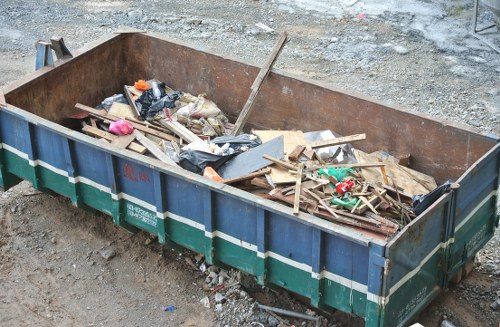
Businesses often need a cleaner way to remove unwanted items without interrupting work more than necessary. Our commercial waste collection and commercial waste disposal services are suitable for offices, shops and other premises that generate furniture, packaging, fixtures or general rubbish. The emphasis is on a practical, compliant route for getting waste off site in a controlled way.
For workplaces changing layout or moving out, office clearance and office clearances can cover desks, chairs, filing items and mixed office contents. We also offer business waste removal where a company needs a straightforward way to clear non-hazardous waste as part of day-to-day operations, refits or end-of-lease work. The key is matching the service to the volume and type of material.
When a commercial clearance is arranged well, it reduces confusion at the point of collection. A list of the main items, any access notes and the preferred removal window is usually enough to frame the work. If you need the service to support a handover, refurbishment or stockroom tidy-up, say so clearly in your enquiry so the quotation reflects the actual task.
Gardens, outdoor waste and renovation debris
Outdoor areas can produce waste just as quickly as rooms indoors. Our garden clearance service helps remove cuttings, soil bags, broken planters, fencing offcuts and other green or mixed outdoor waste. This is particularly useful when a garden has been left untidy after seasonal work or when loose materials have accumulated in corners, side passages or behind sheds.
For projects that create heavier spoil, builders waste clearance deals with renovation debris such as timber, plaster, packaging and offcuts from repairs or improvements. It is not the same as ordinary household rubbish because the material can be dense, dusty and awkward to load. Where a site has mixed waste, separating recyclable material from general rubble may make the disposal route more efficient.
Customers commonly want one sensible question answered: what type of waste is it? Once that is clear, the service can be matched properly. Whether the load comes from a garden refresh, a DIY project or a general tidy-up, it is better to describe the material in ordinary terms than to worry about using specialist language. That keeps the quotation request accurate and easy to respond to.
Recycling, disposal and sustainability choices
Not every collection ends at disposal. Some materials can be directed into recycling streams, and some need more specific treatment. Our recycling and rubbish page and waste recycling offer useful routes for customers who want the collection and the downstream handling to be considered together. This can matter when a load combines metal, wood, cardboard, plastics and general waste.
We also provide waste disposal, waste collection and rubbish removal as straightforward options for getting unwanted material taken away. Where the items are primarily household or general business waste, the best solution is often the simplest one: identify the waste type, collect it safely and route it appropriately. Clear descriptions help determine the right destination for each load.
If sustainability is important to you, mention it when requesting a quotation so the collection can be planned with recycling in mind where appropriate. The most useful information is still practical: item types, approximate volume and any material that should be kept separate. That allows the job to be arranged sensibly without overpromising what each load can achieve.
About London
London is a large city shaped by the River Thames and by centuries of expansion from the historic City into the surrounding counties. Its character is built from layers of settlement, trade and government, with Roman origins still visible in the street pattern of the Square Mile and later growth reflected in Georgian terraces, Victorian railway corridors and twentieth-century redevelopment. Distinct districts developed their own identities over time, from the ceremonial core around Westminster to commercial and residential areas farther west, south and east. The city’s public spaces are just as varied, with Royal Parks such as Hyde Park and Regent’s Park, riverside walks, canals including the Regent’s Canal and Lea Navigation, and a network of commons and squares that give neighbourhoods breathing room between dense streets.
Sorted collections and site-specific needs
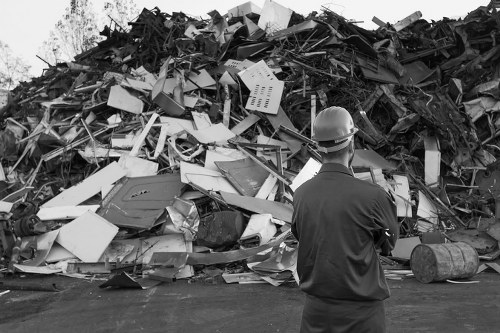
Some jobs need more than a general uplift because the collection point or material type affects how the work is carried out. That is where services such as flat clearance, furniture disposal and furniture clearance can be especially useful. They support customers in properties with stairs, shared halls or limited loading space, where careful removal is just as important as the disposal itself.
For appliances and awkward domestic pieces, fridge disposal and sofa removal provide more specific routes for heavier or less convenient items. When a clearance combines several item types, a more descriptive service line helps keep the work organised. It also makes it easier to understand whether the job is mainly collection, removal, or a fuller clear-out of contents.
A practical quote request should normally mention the kind of property, the main item categories and whether anything needs dismantling before removal. If the job is time-sensitive because of a move, refurb or end-of-tenancy handover, say that plainly. You do not need to write a long explanation; a concise description is often enough for the next step to be useful.
How to request a quotation
Good quotations usually start with the waste itself. List the obvious items, give a rough idea of quantity and say whether the collection is from a basement, first floor, office suite or outdoor space. If the items are heavy or bulky, mention that too. A clear description helps us understand the lifting involved and whether the collection is a simple pick-up or a more involved clearance. Specifics reduce guesswork.
You can also note access points, parking limitations and any items that need special attention, such as glass, appliances or mixed loads. If you are comparing several clearances, keep the request focused on the actual waste rather than general background. For a direct starting point, review pricing and quotes and then ask for a quotation based on the items you want removed.
When you are ready, ask for a quotation and tell us what needs clearing today. If you prefer, start with the main service and the property type, then add the rest in a follow-up. The more accurately the waste is described, the easier it is to provide a quotation that matches the job.
Further useful waste services

There are a few related services that may suit more specific loads. Home clearance is helpful when the contents are spread across several rooms. Council large item collection, council rubbish collection and council waste collection can be relevant where a customer is exploring public collection options alongside private removal. For other common domestic needs, trash collection and London trash collection are natural shorthand terms for the same general service area, though the exact collection method still depends on the waste.
Where property contents include probate, office or business items, it can help to choose the nearest descriptive page rather than a broad label. That is why routes such as office clearance, probate house clearance and commercial waste collection sit well alongside domestic services. The best choice is the one that matches the load, the access and the purpose of the clear-out.
If you need a simple next step, send the item list and ask for a quotation. If you already know which service fits best, use that wording and keep it short. We can then shape the collection around the waste, the property and the practical details that matter on the day.