Health & Safety Policy — Trash London Operations
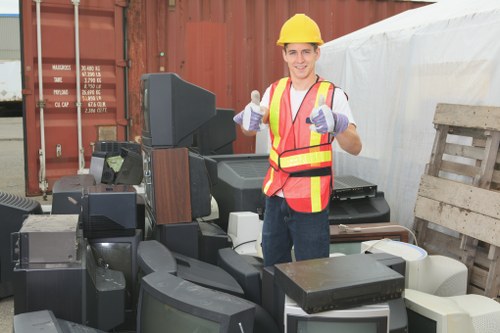 Trash London is committed to protecting the health, safety and welfare of employees, contractors and the public who interact with our waste collection and disposal activities. Our operational safety policy sets out clear intentions, practical controls and expectations for everyone involved in trash london duties, from depot personnel to field operatives. The document aims to foster a positive safety culture, ensuring that every task is planned, assessed and executed with risk reduction at the forefront.
We take a proactive approach to health and safety across all garbage collection, recycling and waste management services. Leadership will allocate appropriate resources and demonstrate visible commitment to creating safe systems of work. Routine reviews and audits evaluate performance, and management will act decisively to close gaps, promote learning and embed improvements. All workers are encouraged to be actively engaged in safety conversations and to suggest pragmatic improvements that enhance everyday safety.
 Clear roles and responsibilities help translate policy into practice: senior managers set direction and policy, supervisors ensure consistent application in the field, and operatives follow safe methods and report hazards immediately. The organisation will keep up-to-date records of risk assessments, near misses, incident investigations and corrective actions. We will also ensure that partner organizations and contractors working with Trash-London demonstrate equivalent safety arrangements before commencing any activity.
Key Safety Areas and Controls
To reduce harm throughout our waste and refuse operations we prioritise a range of risk controls and safe practices. Key measures include embedded procedures for handling varied waste streams and safe segregation of hazardous materials. Our approach is practical and layered: administrative controls, engineering safeguards and personal protection. The most significant focus areas are detailed below and are applied consistently across all sites and work routines.
Critical control activities include:
- Comprehensive risk assessment for scheduled and unscheduled tasks, with dynamic risk assessment at the point of work;
- Appropriate PPE, hygiene measures and hand-cleaning facilities to minimise biological and chemical exposure;
- Safe vehicle operation, load security and traffic management procedures to protect operatives and the public;
- Managed segregation, labelling and handling protocols for hazardous, electrical and clinical waste streams;
- Manual handling training, use of mechanical aids and job design to reduce musculoskeletal injury.
 All controls are supported by written procedures, toolbox talks and visible supervision. Where new hazards emerge—such as changes in waste composition or operational tempo—controls are reviewed promptly and adjustments communicated to the workforce. We favour practical, evidence-based measures that can be followed consistently during routine rounds as well as in exceptional circumstances.
Training, Equipment, Emergency Response and Continuous Improvement
Training and competency assurance are central to our safety framework. Induction training, role-specific instruction and regular refresher modules ensure staff understand the risks associated with refuse collection and how to use controls effectively. Competency checks, observed practice and mentorship support continuous development. Contractors receive clear expectations and confirmation of competence before accessing operational duties.
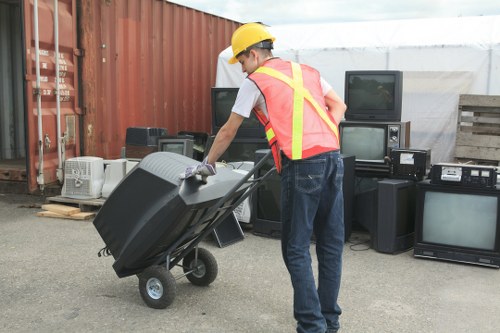 Equipment management and maintenance are treated as safety-critical. Vehicles, lifting gear and compaction units follow planned inspection regimes, with prompt reporting and isolation of defective items. Permit-to-work and lockout procedures are used during maintenance to reduce the risk of inadvertent activation. Cleaning regimes and containment practices are in place to minimise exposure to biological and chemical hazards commonly associated with waste streams.
 Emergency preparedness covers events such as spills, fire, injury and environmental incidents. We maintain clear response plans, provide spill kits and ensure first aiders and emergency contacts are available. Incident reporting and investigation procedures aim to identify root causes and implement corrective actions. Regular performance reviews, trend analysis and employee engagement ensure this health and safety policy remains current, practical and effectively applied across the whole organisation. Senior leaders review outcomes and resources are directed to areas where risk reduction will have greatest effect.